

Preparing for the NIFT entrance exam requires a clear understanding of two extremely important sections—CAT (Creative Ability Test) and the NIFT Situation Test. These two components determine a major part of your final score and reflect your creativity, clarity of thought, visual communication skills and problem-solving ability. Many students start preparing for CAT but underestimate the Situation Test, while others focus too much on drawing and forget that ideas matter more. This guide breaks down both sections in a simple, practical and beginner-friendly way so you can prepare confidently and effectively.
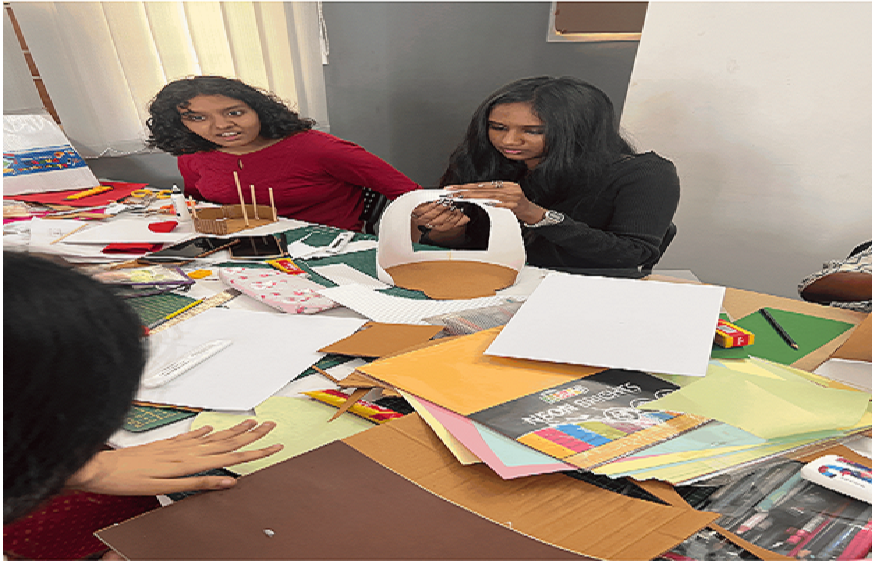
Understanding CAT and Why It Matters
The CAT exam is designed to test your creative thinking, imagination, drawing skills and the way you visually communicate ideas. The goal is not to produce perfect artwork but to show originality, clarity, and storytelling ability. CAT questions may include product sketches, story illustrations, imaginative situations and visual interpretations. Understanding the intention behind CAT will help you prepare in the right direction. Students often explore nift coaching or online guidance when they want structured practice, but with consistent effort you can prepare independently as well.
Developing Creative Thinking for CAT
Creativity does not develop overnight. It grows when you expose yourself to new experiences and ideas. Start by observing your surroundings, exploring different art styles, learning from everyday objects and practising quick idea generation exercises. One useful method is to take a common object and redesign it with a new purpose. Another effective exercise is visual storytelling, where you illustrate a sequence of events in simple frames. These small daily habits gradually shape your creative thinking and help you approach CAT questions confidently.
Improving Drawing Skills for CAT
CAT requires clear sketches, not perfect artistic drawings. Focus on line clarity, proportion, perspective, composition and expression. The best approach is to practise quick sketches daily. Set a timer and draw simple scenes, objects or human figures. This builds speed and confidence. If you feel stuck or want guidance, many students explore nift coaching in kochi or other locations, but drawing improvement mainly depends on regular practice and observation. You can sketch objects around you, people, buildings or even simple household items to build your skill.
Strengthening Observation Skills
Observation is the foundation of creativity. The more you observe, the more ideas you generate. Try these simple habits:
• Notice how people interact with objects
• Observe shadows, textures, surfaces and details
• Sketch what you see instead of what you “think” it should look like
• Pay attention to daily scenarios and movements
Observation helps in both CAT and the Situation Test because it trains your eyes to notice details that others miss.
Improving Visual Communication
Visual communication is about expressing ideas clearly using drawings. Even simple sketches can score well if the ideas are strong and the presentation is clean. Avoid cluttering the page with unnecessary lines. Keep your drawings neat, label important parts and show your idea from multiple angles if needed. Good visual communication comes from clarity, not complexity.
Understanding the Situation Test
The Situation Test is a hands-on model-making exam that takes place after clearing the written round. In this test, students are given materials like chart paper, wires, fabric pieces, straws and thermocol, and are asked to create a 3D model based on a theme. The model must be neat, creative, stable and meaningful. The Situation Test judges your ability to convert ideas into physical form. Model-making skills are not taught in schools, so many students start late or struggle. Practicing early gives you a strong advantage.
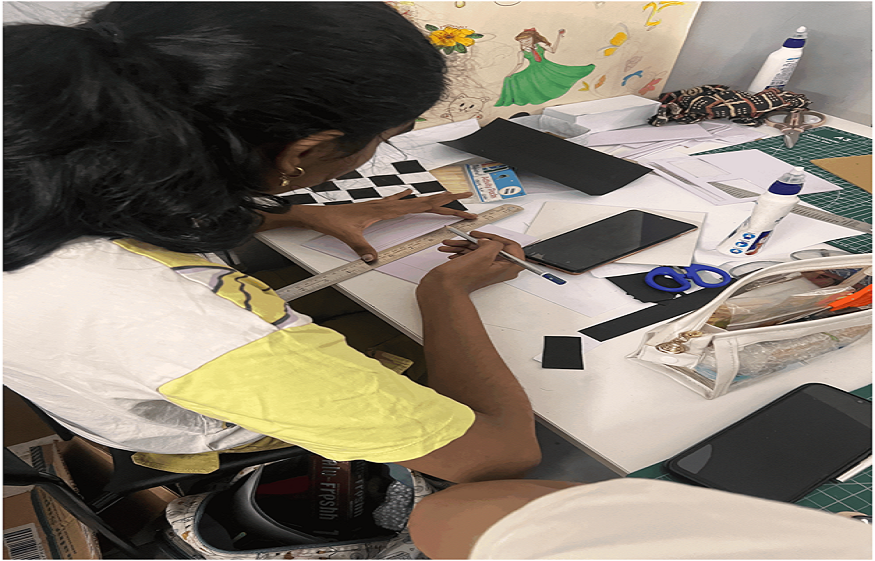
Building Confidence in Model-Making
To perform well in the NIFT Situation Test, students must practise basic construction techniques. Start with small activities like making a lamp, a themed installation, a simple product model or a room layout. Focus on clean cutting, neat folding, symmetry, colour balance and stability. You should also practise using different materials. Even simple materials like coloured paper, cardboard, thread, fabric scraps and sticks can help you understand structure and design. Those who want more structure sometimes look for nift situation test coaching in kerala, but you can also build these skills at home.
Planning Before Building
The most common mistake in the Situation Test is starting the model without planning. Always sketch the model on paper before building. Think about the base, shape, height, structure and small details. Identify the main concept and make sure your model clearly represents the theme. A planned model always looks cleaner and more thoughtful than a rushed one. Planning also prevents you from wasting materials or running out of time.
Finishing and Presentation Matter
Even if your idea is excellent, poor finishing can reduce marks. Make sure your model is neat, edges are clean, glue marks are hidden and colours are balanced. Use contrast to highlight important parts. Avoid over-decorating, as it can make the model look messy. Presentation is a major scoring factor because it reflects your attention to detail. Many students who join nift entrance coaching centres in kerala learn presentation techniques, but you can easily build this skill with practice.
Time Management Tips
Both CAT and the Situation Test require efficient time management. Practise with timers, attempt mock tasks and learn to complete sketches within a set duration. For model-making, spend the first few minutes planning, the next chunk building the structure, and the final minutes refining and cleaning up. Good time management reduces stress and improves your final output.
Creating a Balanced Practice Routine
Here’s a simple routine that works for most students:
• 20 minutes – Quick sketching
• 20 minutes – Idea generation exercises
• 30 minutes – CAT question practice
• 20 minutes – Basic model-making or material handling
• 10 minutes – Reviewing mistakes
This balanced routine helps build both creative and practical skills gradually. Students who follow such routines consistently often see better results in both parts of the exam. Many also complement their routine with nift coaching classes when they need extra help.
The Importance of Mock Tests
Mock tests help you understand your strengths and weaknesses. They also reduce exam fear and improve timing. Attempt both CAT mock tests and Situation Test mock tasks regularly. Analyse your mistakes honestly. Improvement comes from learning what went wrong and correcting it.
Avoiding Common Mistakes
- Trying to make the drawing “pretty” instead of clear
• Copying ideas from the internet
• Not practising model-making early enough
• Ignoring finishing and neatness
• Not planning the model on paper
• Leaving too little time for final presentation
Avoiding these mistakes helps you produce stronger, more original work.
Final Tips for Success
NIFT rewards creativity, clarity, clean execution and originality. You don’t need to be perfect—you only need to practise consistently and develop a mindset that welcomes new ideas. Explore things around you, stay curious, sketch daily and build confidence through small steps. With the right approach, anyone can excel in both CAT and the Situation Test.Many aspirants also prefer seeking guidance from experienced NIFT coaching institutes in Kerala to strengthen their CAT and Situation Test preparation.